
Episode 30: Interview with Michael King
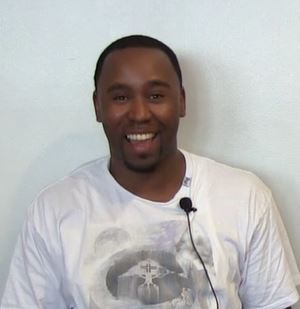
Today’s interview partner is Michael King. Michael is currently the Executive Director of Owned Media at Acronym, where he is in charge of SEO initiatives including strategy and content development. In his previous role as Inbound Marketing Manager at iAcquire, he was responsible for SEO and digital strategy.
This interview is also available on iTunes and on Youtube.
Follow OMReport on Facebook, Twitter or as to get the latest interviews fast.
Transcript
Michael King is SEO Engineer and Inbound Marketer. Michael King is currently the Executive Director of Owned Media at Acronym, where he is in charge of SEO initiatives including strategy and content development. In his previous role as Director of Inbound Marketing for the offpage optimization agency iAcquire, Mike was in charge of cross-channel campaigns and was leading the expansion of iAcquire into onpage optimization and digital brand strategy.
Andre Alpar: So, today’s OMReport is with Mike! Mike is actually taking a break from his mobile phone and actually wants to talk to me!
Michael King: No promises, no promises!
Andre Alpar: OK you can grab your phone every once in a while, it’s fine. People will understand. So Mike, can you please introduce yourself for people who don’t know you?
Michael King: Sure, my name is Michael King, I’m the director of Inbound Marketing at iAcquire, at least today I am, and I’m @iPullRank on Twitter, I write for MOZ, I speak at a ton of conferences and…
Andre Alpar: So is that your main job? Or do you still have time to do consulting?
Michael King: I do. I do a lot of consulting. You know, I lead the team that does our digital strategy work, so market research, content strategy, social media and onpage SEO or technical SEO is what my team does. So I oversee everything that they’re doing and kinda act as like the Boss of the consulting stuff.
Andre Alpar: Right, so when did the transition from SEO… from linkbuilding to inbound marketing take place? In the US it seems like the predominant topic that you can see everywhere.
Michael King: Sure, I mean in the US I think it’s been growing pretty quickly over the last two years. For iAcquire it kinda happened pretty abruptly when I signed on, really like 2 months after I signed on, when we were outed. When they originally approached me they were like ‘Hey, you know, we’re doing some things that aren’t necessarily very white-hat, but come on and help us clean it up and let’s build this out’ and I was like ‘All right well what about onpage, you guys aren’t doing onpage’ and you know, I’ve been such a proponent of market research and social media with SEO and content strategy, so it just naturally grew into that as I built out what I was doing.
Andre Alpar: Right. You guys are based in New York, right?
Michael King: We’re actually based in Phoenix, Arizona.
Andre Alpar: OK.
Michael King: But I’m in the New York office.
Andre Alpar: Right, so you have an Arizona office that is kind of the mothership and then there’s like a… Are you only you in New York or do you have an office and a team in New York?
Michael King: We have about 20 people in New York, and you know New York has Sales, it has Client Solutions, it has Marketing and Strategy and that’s the 20 people.
Andre Alpar: And you’re quite a significant size, you’re like 100 people!
Michael King: Yeah we got about 100 people so the rest of the 80 people are in Arizona and they’re like our fulfilment team, they’re our outreach people, they’re our operations people… There are the creatives, like the people that are writing content and doing graphics for content that we’re placing. So yeah, we call those like our fulfilment team, and then New York is like the strategic team.
Andre Alpar: Right. Nice! So how do you interpret… when you do content strategy for somebody, where do you start? How do you figure out what’s gonna be working and what won’t?
Michael King: Sure, so the first thing…
Andre Alpar: I mean you personally you’re a funny guy but you know being funny doesn’t work for every company, right? You’re an entertainer, but not everybody is. You can’t make people an entertainer when they are not!
Michael King: Absolutely, absolutely, I mean the first thing we do is we try to understand the business goals, and then try to understand the audience in that space, so we build those personas and figure out who those people are, what they’re into, what needs are they trying to fulfil when they get to the client’s site or with their search or when they’re in social. From there we’ll do a content audit of their whole site: see what they have, what we can improve, what can be repurposed, and then we’ll put together a content plan for how we want to go forward. So, if they don’t have like brand voice and tone considerations we’ll put that together for them, we’ll come up with some content ideas, we’ll develop a constant calendar, when things are gonna come out. Obviously we take a step back at some point and do a measurement plan to figure out how we’re gonna measure this content, how’s it gonna line up with those business goals I talked about a second ago, and then we basically figure out who’s gonna own the content, how it’s gonna be maintained, how it’s gonna be created to begin with, and then we launch it and we test it and we make sure that it’s performing based on the KPIs we lay out in our measurement plan. So, you know, it’s more or less…
Andre Alpar: What are KPIs for content?
Michael King: It depends, you know, what the…
Andre Alpar: Is it like views of the content?
Michael King: It depends what the client’s trying to do, so… we believe that, you know, certain content works better for different stages of the consumer decision journey. So, you know, an infographic doesn’t make sense if you’re trying to sell stuff. That makes sense for brand awareness, so that we would measure from like +1s, visits, links and such. But the example I always use is like a buyers’ guide. People that are looking for a buyers’ guide, we’re gonna measure that more on sales and such because they’re deeper in the funnel, they’re more likely to be about to buy something.
Andre Alpar: When you mentioned the funnel, I think that’s a perfect way probably to understand what the transition that took place in the last two years actually happened. So I think probably, if I get it right, you can correct me, and you will… SEO was basically a lot at the end of the funnel, just trying to generate sales, and then also you were always measured by transactions and now, with inbound marketing… I mean the questions that you have posed, they’re not SEO questions any more, they’re like digital strategy questions rather, you know, creating online strategy, what is your targets, I mean come on! You can’t be broader than that! So it seems like kind of SEO is stretching from the end of the funnel to the front. Does that make sense? Or is it like something I’ve made up?
Michael King: No it makes complete sense. But at the end of the day we’re all doing marketing, we’re just, as SEOs, really like ‘OK how do we do some tips and tricks real quick to get more traffic and then, you know, make that traffic a little more qualified, like that’s all we were doing. But really I believe that SEO and CRO need to be completely together at this point because it doesn’t mean anything to get you more traffic. It means something to hit those business goals, to meet those conversions and actually deliver something that works for your client or your business.
Andre Alpar: Are the clients there yet? Because I have the feeling that sometimes the clients… they’re still there, you know, ‘Uh, how much is a link? How much does a piece of content cost?’ Which is a very, you know, operative view of things…
Michael King: It’s a very small conversation…
Andre Alpar: Yes exactly. And you can’t have the broader view when people are thinking in these small chunks.
Michael King: And I mean, that’s definitely been a challenge that we have had to push to overcome. You know, we have to widen that conversation, get the right people in the room, because if I’m just talking to another SEO manager or whatever, they’re like ‘I don’t care about your market research, just get me links,’ just like you’re saying. But if I get a CMO in the room they’re like ‘OK that makes sense because now SEO makes sense for my entire marketing mix’. Whereas before, SEO has been typically very disruptive to the marketing mix.
Andre Alpar: How do you do…? How do you do that? I mean, the SEO guy will say ‘Why? No you can’t talk to my boss’, because he’s afraid you might say the wrong things! How do you overcome?
Michael King: Well, I mean at the end of the day they want results. And a lot of times it’s not just the SEO manager that’s on the phone: it’s that person’s boss. And then we bring that stuff up in front of that person’s boss and then they’re like ‘OK yes cool’. So either that person escalates it or they say, ‘You know what, we don’t need market research. We have that in house’. So even if they have that in house we’re gonna leverage that information to put together a campaign that actually works.
Andre Alpar: OK. So did you actually lose clients because they were saying ‘No, I just want links’?
Michael King: No we don’t lose any clients for that. I mean a lot of them will just be like ‘OK we don’t care about your approach, just get it done’. So, you know, it’ll be something that we use on our side.
Andre Alpar: They give you the creative freedom and then you do whatever you have to do to… OK. But then if they give you a lot of freedom sometimes you may do something that’s not perfectly in line with their strategy but will work out somehow? Does that happen?
Michael King: No we always do things that go with their strategy, that’s my whole point. Like, us doing all this extra research stuff helps us be more in line with the overall marketing strategy, rather than just being like ‘OK, let’s just make some random infographic and get you some links’. It’s like ‘OK let’s make an infographic that goes with all of your branding stuff and with your brand story and it fits in, and then you guys will want to promote it through your PR channels, you’ll want to use what we’re doing for SEO for your broad marketing. And then that helps SEO.
Andre Alpar: So it seems to me that infographics and guest posting… on the conference they were still a big topic.
Michael King: Sure.
Andre Alpar: And then Google just updated their guidelines a few weeks or months ago saying ‘Oh no, my God, if you do infographics just for the heck of the link, it’s not OK’. What do you… And I think the same was for guest posting and then, like, it’s like… I dunno… It’s like a game, it seems to me, you know?
Michael King: Yeah it’s always gonna be a cat and mouse game. The thing about SEOs is that we find a tactic that works with little effort and then we run it into the ground. So right now there’s like millions of guest posts going out as we’re doing this interview. Google is always gonna look to deter whatever’s easy, and I dunno how I feel about the whole infographic thing, like, what are they gonna do, like, OCR scanning of every image on the web and like…
Andre Alpar: Actually… actually Matt Cutts said yesterday they could do it, but they just don’t wanna allocate the machines for it.
Michael King: Yeah it’s computationally expensive, it doesn’t make sense. And they’re gonna get such a low return out of that effort that it’s not worth them doing. So I’m not saying that they’re not gonna devalue links around some infographics – that’s definitely possible – but it’s not the type of thing that I would be like ‘Oh my God, let me never do an infographic again’, you know? And the same thing with guest posting: I can see how they can also maybe use authorship as a way to determine how… you know to, like, validate a piece of content but I don’t see them devaluing so much of the web, like there’s… cos… it’s hard to detect whether a guest post is a good guest post… wow I need some water! …a good guest post, or one built for links. Because people are so sophisticated in how they’re doing that now, as long as you’re not just getting links in like an author box where it’s real easy to detect that pattern, it’s gonna be really difficult for them to figure that out reliably.
Andre Alpar: One could in general say, you know, the easier the link is to get, it’s probably the less… it will be of less value, right?
Michael King: Yeah I definitely think there’s gonna be some sort of sliding scale and I definitely think there’s gonna be more value on things that have their own author on it. I don’t know that we’re seeing that right now, but I definitely think that’s the way they’re going.
Andre Alpar: So if more people, like different authors are giving a certain link, that’s gonna be of more value? Like if the article is from a… If the link is from an article with a verified author, that’s gonna be of more worth?
Michael King: Yeah I think it’s more than just them being a verified author, I mean think about it: Google has all this data on all of us, like I use Gmail, some people use Google Wallet…
Andre Alpar: You do?
Michael King: Yes I do.
Andre Alpar: You do?
Michael King: Yes!
Andre Alpar: Like on your business emails?
Michael King: Yes!
Andre Alpar: Wow.
Michael King: We have Google Apps, we recently switched. It’s awesome! Anyway so, they have all this data on us and they can put together these really sophisticated models on who we are and what we’re into and they’re already doing it. They have something called affinity segments where they have segmented every internet user into 80 personas, and based on that, you know, what affinity segment I fit in, I am more reliable as an authority on a given topic.
Andre Alpar: Are you paranoid enough to think that one of the personas will be SEO? One of the 80?
Michael King: Uh, I’ve seen them. So I mean there’s like a ‘marketer’, it doesn’t say anything about SEO in it. I’m sure they probably have that in the background as well, but the bottom line is that based on my affinity segment they can say, ‘OK this guy knows a lot about sports, he knows a lot about gaming,’ blablabla… So if I write a post about that and I link to something about that, my link is more valuable than somebody that only knows about cooking and travel.
Andre Alpar: Right.
Michael King: And I think that’s the way they’re gonna figure out how to realign the link graph and then also align it with the social graph.
Andre Alpar: Right, so, but then, I think, I mean, you know, even if people have like a topical knowledge, just say I say I write about a certain region in the US which I love to travel a lot, and then in there I can fit basically links to any topic and they would be on topic, you know, I can have gone to a swimming pool or I can have had ice cream or bought shoes in a certain local shop within that area, you know, still every kind of link would count, right?
Michael King: Well, but here’s the thing: then based on the data they have on you they can figure out how relevant that is, so they can look at your Google Wallet, see what you bought, or look in your Gmail, see your receipts, and say ‘OK this person is an authority on Nike sneakers’, or look at your plane tickets like they’re doing with Google Now: ‘Oh yeah he did go to Peru’. So that way with all this data that they have they could potentially be using that for that purpose. They’re definitely going to use it for advertising, why wouldn’t they use it for search?
Andre Alpar: Well for advertising that’s the obvious part. But do you think it’s… I mean, they would probably only go there to use it if it’s really necessary to verify it, but if they don’t feel manipulated at some point then it’s fine.
Michael King: Yeah I mean I’m sure in certain…
Andre Alpar: It’s computational resources that is taken away from other things, right? And it’s not like they…
Michael King: But, that’s really valuable for them, that’s why I feel like they would do it that way. Think about recently they consolidated all their privacy policies so all the data from like Google Analytics can communicate with Gmail and all that, so there’s no reason why there isn’t somebody out of the thousands of people at Google that is sitting there like ‘Hey, how can we model people and help this with search?’ Cos at the end of the day search quality is what keeps Google in business. They have a bunch of different business units, they’re all very profitable, or a lot of them are very profitable, but at the end of the day search and search marketing and search advertising is like their biggest unit of revenue.
Andre Alpar: It’s like more than 90%.
Michael King: Right! So they need search quality to be awesome so people keep using Google for search. So whatever it is that’s gonna help them be better than Bing, Blekko, all those things, and continue to deliver that quality, they’re gonna do it.
Andre Alpar: Right, so probably you think… probably was SEO too cheap in the past? And it’s getting more expensive now to do SEO? What do you think about that?
Michael King: I think we as SEOs don’t charge enough for it!
Andre Alpar: That I totally agree with! We should… twice or three times as much, we should charge.
Michael King: I mean, I’m sure you have…
Andre Alpar: When you look at the value added…
Michael King: Yeah! That’s what I was gonna say!
Andre Alpar: The worth we’re creating!
Michael King: That’s what I was gonna say. I’m sure you have, and I definitely have, made companies millions of dollars. And I don’t have a million dollars! You know?
Andre Alpar: Same here! Same here!
Michael King: So, what part of the game is that? I really think every SEO should double their prices, but as far as the cost of doing it…
Andre Alpar: Let me note that, aha, got it.
Michael King: As far as the cost of doing it… yeah, because it’s really the cost of making awesome content at this point, like if you can’t invest in making something that’s really remarkable that people wanna link to, wanna share, then yeah it’s really hard at this point, you know…
Andre Alpar: So probably I think that Penguin and Panda, they kind of even…
Michael King: They forced us to do marketing. That’s what they did!
Andre Alpar: That’s exactly… They’re taking SEO to the next level but also to a more expensive level and I think, historically, like even smaller mom and pop shops were able to do a little bit of SEO because it was cheap and the tricks were possible, and now only the big companies who really spend marketing dollars in the other channels will also be able to do SEO only because SEO will become more expensive.
Michael King: Yeah, I mean Google…
Andre Alpar: Because you have to do a lot more to get the results, you have to invest a lot more in content and whatever…
Michael King: Sure I agree, like back in the day any small brand could compete with Walmart in the SERPs. It’s not like that any more.
Andre Alpar: And now that’s gone.
Michael King: Yeah but look at where Google’s going. The other day they started testing banner ads in the SERPs, like for branded SERPs, there’s something on search engine like…
Andre Alpar: For navigational searches, I think it was.
Michael King: No it was branded searches. So somebody typed in like Southwest Airlines and they have this giant banner of Southwest Airlines at the top of the SERP. And I think Google is gonna continue to cater to brands. Brands have all the signals they’re looking for, people want the brands…
Andre Alpar: And brands are the ones spending money on Adwords.
Michael King: Yeah absolutely!
Andre Alpar: So it’s their clientele.
Michael King: It makes complete sense.
Andre Alpar: All right. Thanks so much for the interview!
Michael King: No problem!